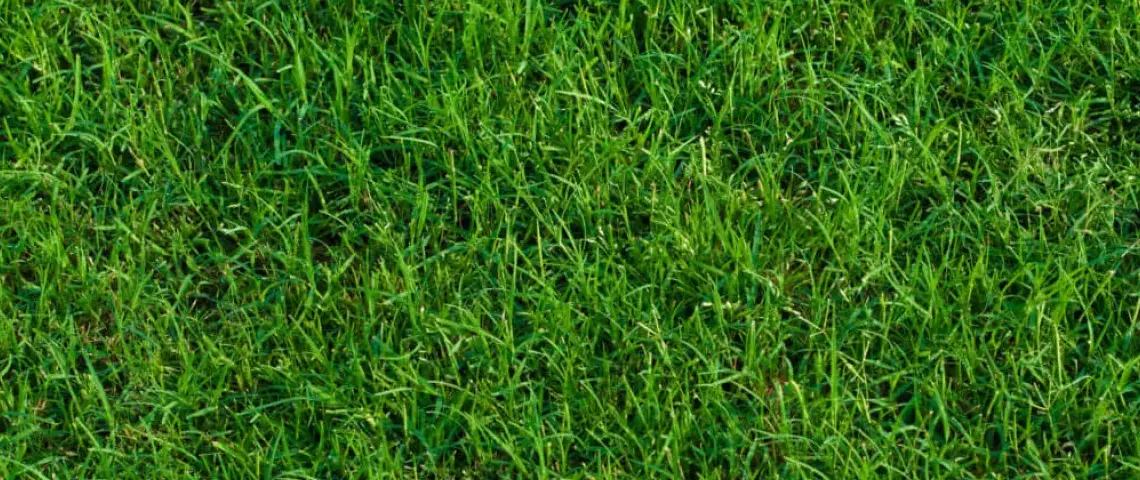
Bermuda Grass
Warm Season
Full Sun
Heavy Fertilizer Needs
Fast Grower
 Lawn. Tree. Pest. Mosquito. Termite.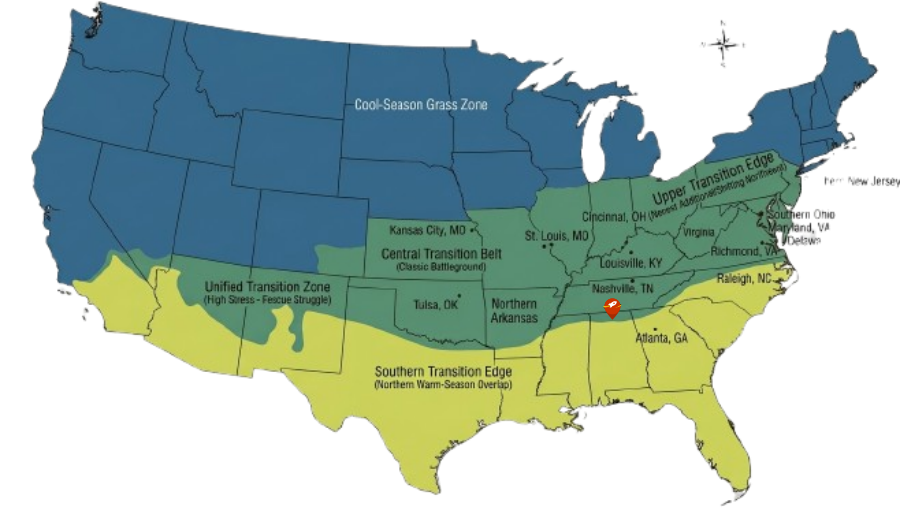
Warm Season
Full Sun
Heavy Fertilizer Needs
Fast Grower

Warm Season
Full Sun - Some Shade
Moderate Fertilizer Needs
Slow Grower
Warm Season
Full Sun - Mostly Shady
Moderate Fertilizer Needs
Slow Grower
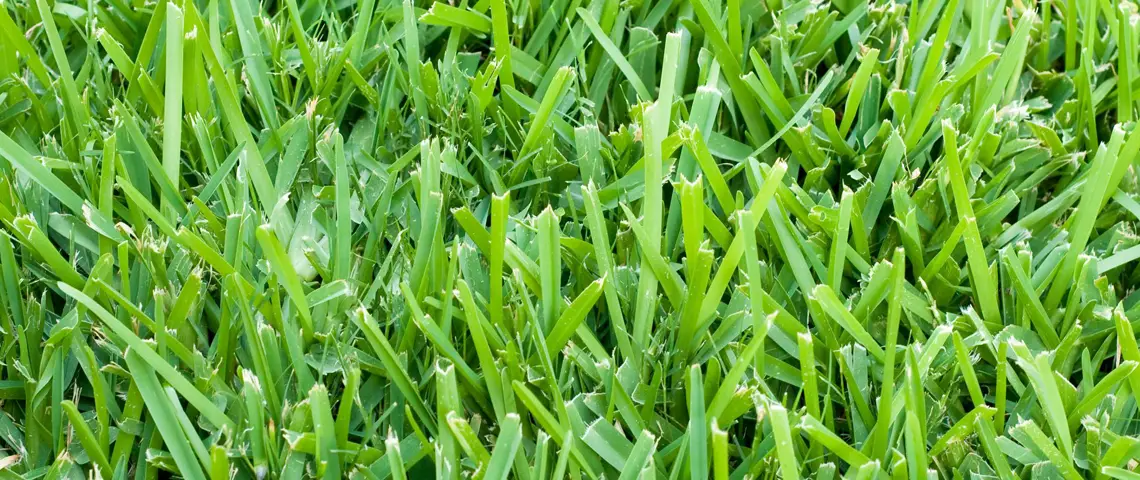
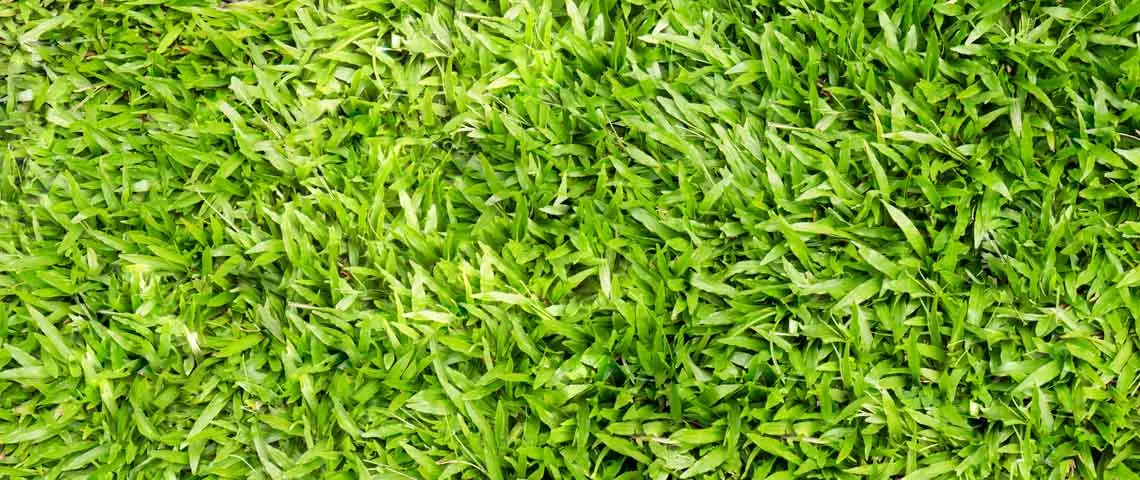
Warm Season
Full Sun - Some Shade
Low Fertilizer Needs
Slow Grower
Cool Season
Mostly Shady - Total Shade
Low Fertilizer Needs
Fast Grower
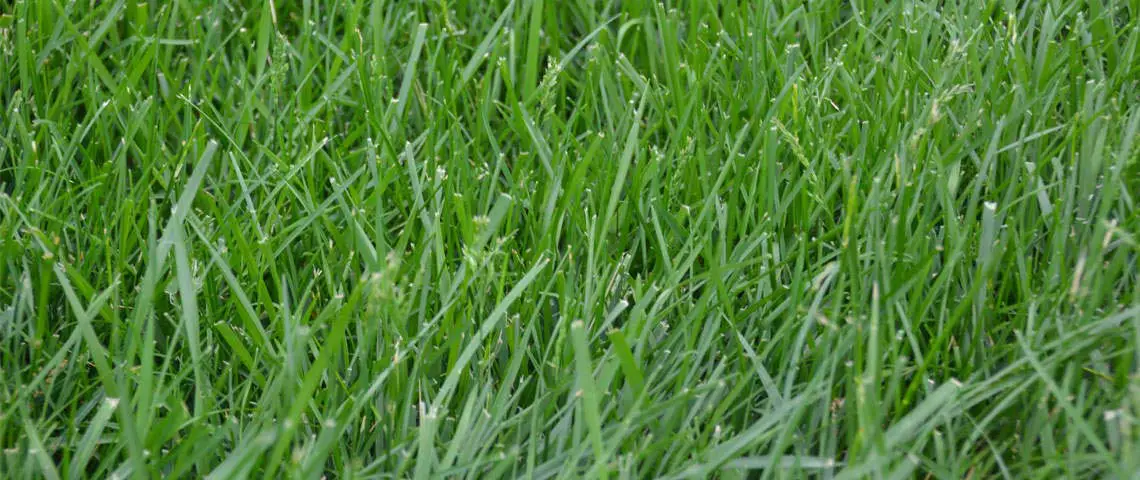
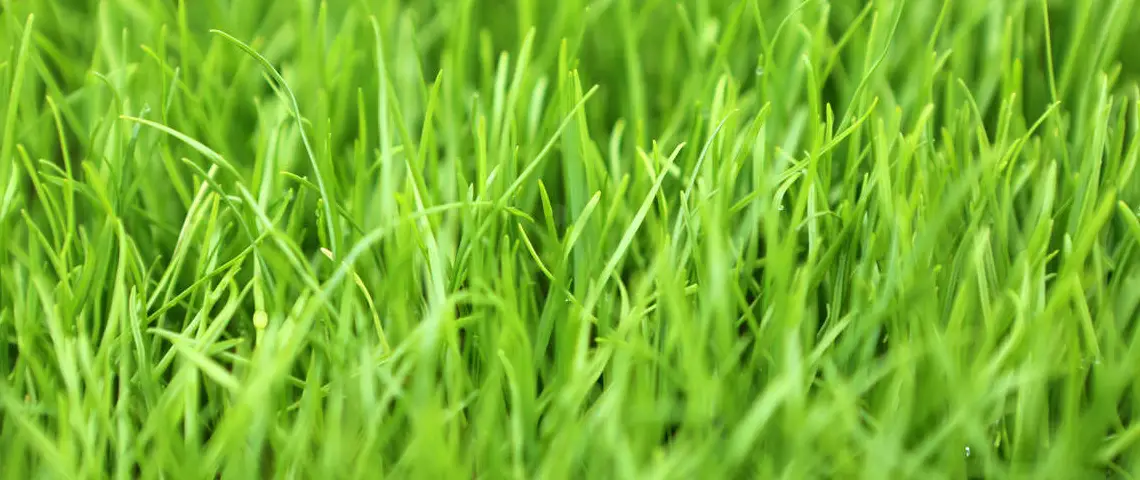
Cool Season
Mostly Shady - Total Shade
Low Fertilizer Needs
Fast Grower
Warm season grasses like Bermuda and zoysia can be personal preference. Golf courses mow as low as 5/8” on greens and tee boxes while areas outside of fairways may be as tall as 3-4”. The lower your height, the more frequently you need to mow. Never take off more than 1/3 the blade length on each mowing. Cool season grasses like Fescue in our area need to stay high, around 3-4” for best results.
Initially, we eliminate any problems inside your home first, to get rid of any existing pest issues and to seal off avenues of pest infestation. From there we focus our attention outside, where pests live and breed. We concentrate on eradicating access areas where pests can gain entry or where they might find food and water sources – then we create a barrier of protection so that pests won’t reappear.

Turf Worx recognizes that creating a beautiful lawn and having the freedom to pursue your passions are achievable goals. Our mission is to offer you both. Are you ready for the best results, ever? Request a free quote today!
Follow Us: